


7 Overlooked Skid Steer Maintenance Tips & Checklist
Posted by Nate Hagen on 12th Nov 2026
The Skid Steer Maintenance Everyone Forgets… Until Something Breaks
Nobody gets excited about greasing a skid steer.
You don't wake up in the morning looking forward to checking hydraulic hoses, cleaning radiators, or crawling around your undercarriage.
You want to fire up your machine, get to the jobsite, and get some work done.
But here's the thing: Some of the most expensive equipment problems start with the smallest maintenance issues.
A worn hydraulic hose. A grease fitting that hasn't taken grease in weeks. A track that's been running too tight. Or a radiator slowly filling with dust and debris.
None of these might seem like a big deal at first.
Until your machine is sitting on the jobsite, you're losing money, and your day just got a whole lot more complicated.
So today, we're highlighting some of the maintenance items operators tend to overlook, why they matter, and what you can do to stay ahead of them.
1. Grease Fittings: The Little Things That Make a Big Difference
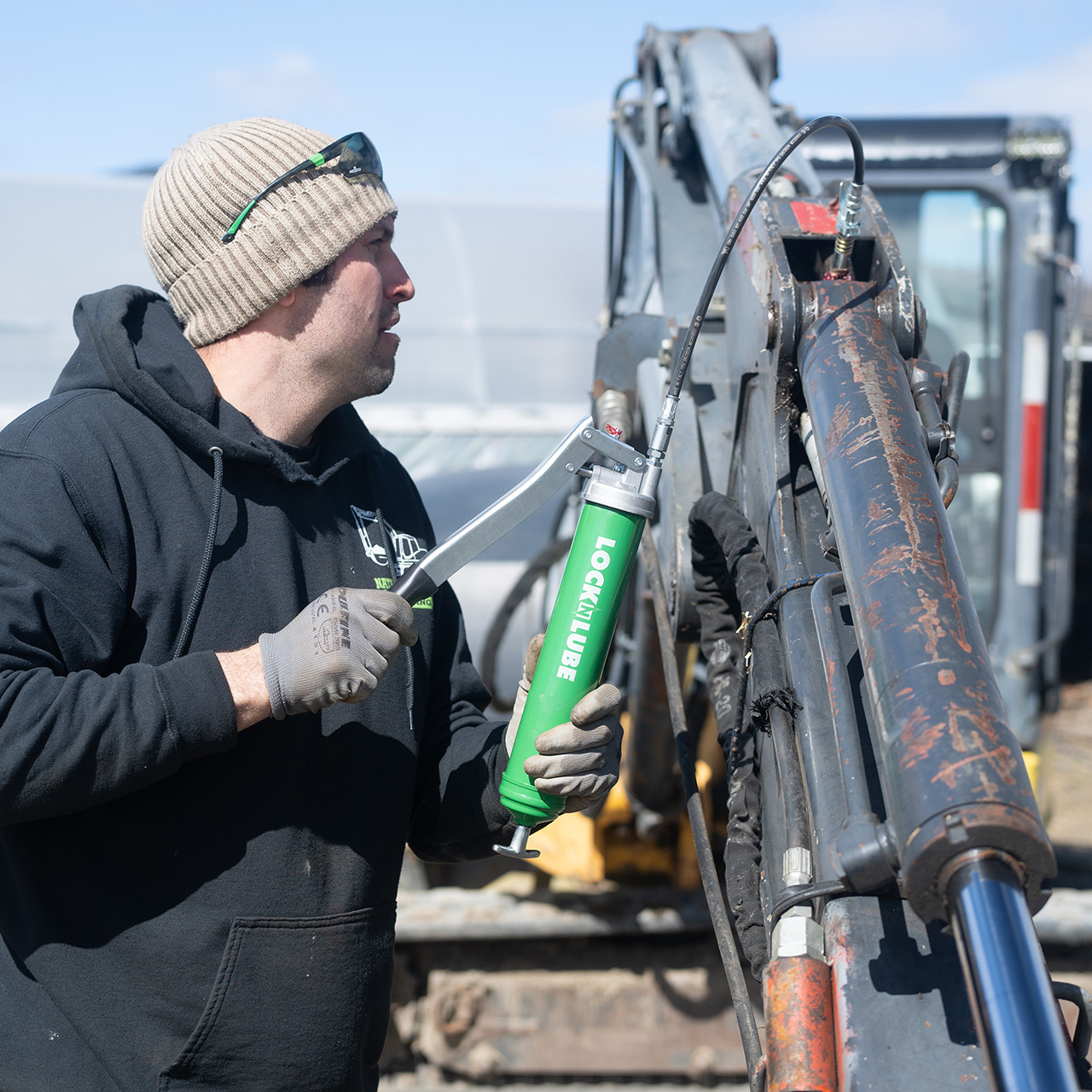
Let's start with one of the simplest maintenance tasks, and something that was drilled into me during my years working in the equipment rental industry.
Greasing your equipment.
It might seem like a small thing, but proper lubrication is one of the easiest ways to protect your investment.
Skid steers, excavators, grapples, buckets, and countless hydraulic attachments rely on properly lubricated pins, bushings, and moving components.
Without adequate lubrication, friction increases, components wear, and eventually those relatively inexpensive maintenance items can turn into costly repairs.
Here's what we'd pay attention to:
-
Lift arm and cylinder pivot points
-
Attachment pins and bushings
-
Grapple and 4-in-1 bucket hinges (and don't forget other moving parts with grease fittings!)
-
Any additional grease points identified by the manufacturer
And don't forget about the attachment itself!
You might be religious about greasing your skid steer but completely overlook the grapple you've been running for the last three weeks.
What if a grease fitting won't take grease?
This is something many operators have experienced.
You connect your grease gun, start pumping, and nothing happens.
It could be a clogged grease fitting, hardened grease, a blocked passage, or a problem with the coupler.
Don't assume you just need to apply more pressure. Excessive pressure can damage seals or components, and high-pressure grease can cause serious injection injuries.
Instead, inspect the fitting and follow the manufacturer's troubleshooting recommendations.
This is one reason we like products from LockNLube. Their locking grease couplers and grease guns are designed to make connections to grease fittings easier and more secure.
Sometimes a better maintenance tool can make a frustrating job a whole lot easier.
Our advice: Keep a dependable grease gun handy, know where every lubrication point is, and follow the manufacturer's specified grease type and intervals.
2. Hydraulic Hoses: The Problem You Usually Don't See Coming
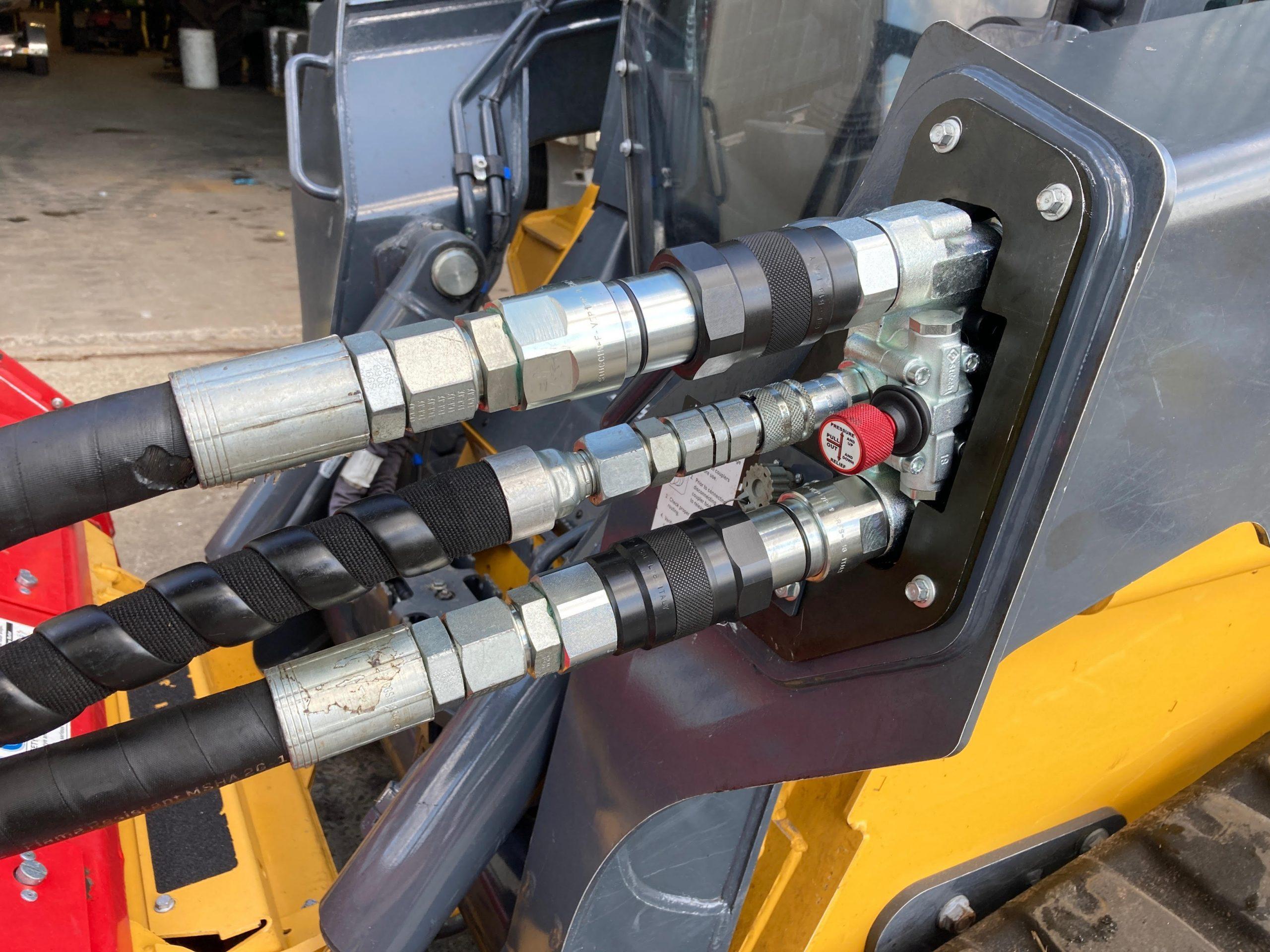
If you've ever blown a hydraulic hose in the middle of a job, you know how frustrating it can be.
One minute everything is working perfectly.
The next, you've got hydraulic oil everywhere and an attachment that isn't going anywhere.
But hoses don't always fail without warning.
Sometimes they've been rubbing against a mounting plate for weeks. Other times, they're getting pinched every time you raise or tilt an attachment.
Before running your equipment, take a look at:
-
Hoses rubbing against metal edges
-
Cracked, damaged, or worn hose coverings
-
Loose hose clamps and protective sleeves
-
Leaks around fittings and couplers
-
Hoses that stretch or pinch through the attachment's range of motion
Here's something worth remembering: A hydraulic hose can look perfectly fine from one angle and be badly worn on the other side.
Pay particular attention to hose routing when installing a new attachment.
And never use your hands to search for hydraulic leaks. Pressurized hydraulic fluid can penetrate the skin and cause life-threatening injuries. If injection occurs, seek emergency medical treatment immediately.
We've previously covered this topic in our article, The Impending Doom of Blown Hydraulic Hoses.
3. Your Undercarriage: Out of Sight, Out of Mind
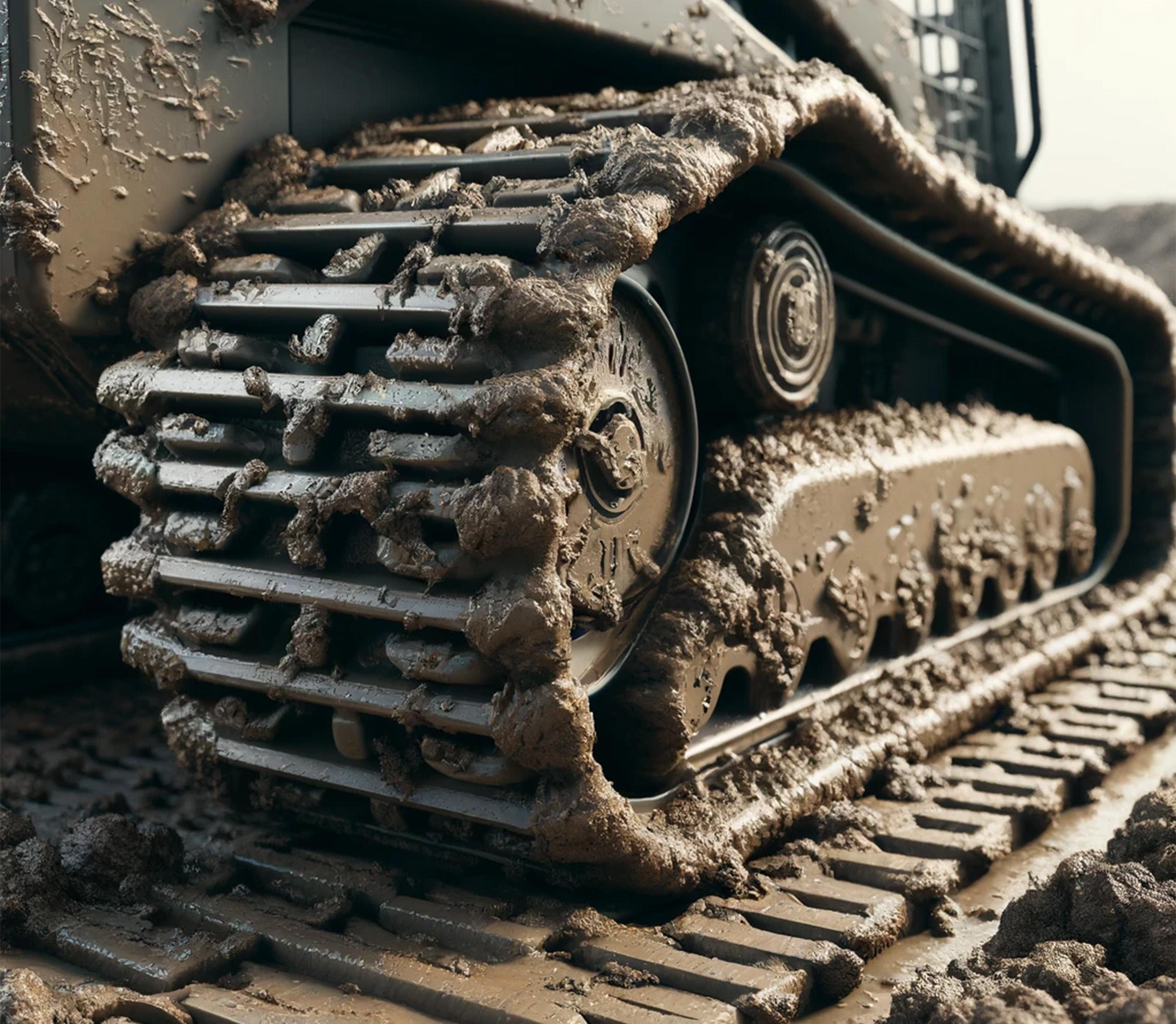
If you're running a compact track loader, your undercarriage takes a beating.
Mud, rocks, sticks, sand, and debris can build up around the rollers, idlers, and sprockets.
Over time, that buildup can contribute to wear, affect track operation, and create additional maintenance problems.
We recently talked about choosing the right rubber tracks, but here's something equally important:
Even the best tracks won't last as expected if the undercarriage is neglected.
Take a few minutes to check for:
-
Packed mud and debris
-
Damaged or leaking rollers and idlers
-
Worn sprockets
-
Cuts or damaged drive lugs on rubber tracks
-
Incorrect track tension
Too-tight tracks can put unnecessary stress on undercarriage components. Too-loose tracks can increase the chance of derailing.
Always follow your machine manufacturer's instructions when checking or adjusting tension.
Our advice: Make undercarriage cleaning part of your end-of-day routine, especially after working in mud, wet clay, or rocky conditions.
4. Cooling Systems: Don't Wait for the Temperature Warning
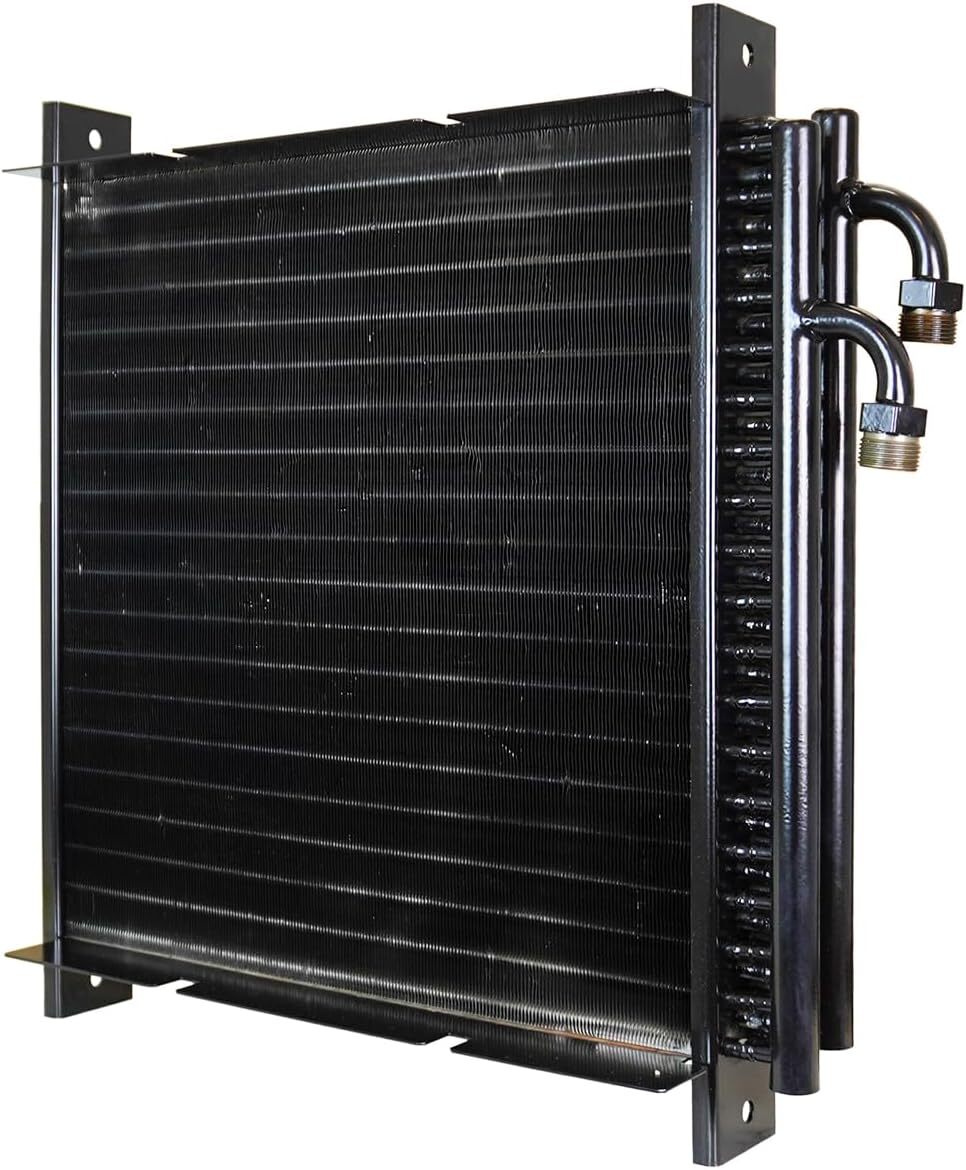
Here's another one that can sneak up on you.
Your skid steer is working hard, moving material, running a brush cutter, or operating a hydraulic attachment.
Everything seems fine.
Then the temperature starts climbing.
On dusty jobsites, radiators, oil coolers, screens, and air intake areas can gradually collect dirt and debris.
Restricted airflow makes it harder for cooling systems to do their job.
Before you start working, inspect the cooling areas and remove accumulated material according to the manufacturer's instructions.
Also check coolant levels when the system is cool, look for leaks, and pay attention to unusual temperature readings.
Some attachments put additional demands on the hydraulic system, making proper cooling even more important.
Our advice: If you're working in heavy dust, grass, or mulching debris, inspect cooling areas more frequently. Never open a hot, pressurized cooling system.
5. Hydraulic Couplers: Small Parts, Big Headaches
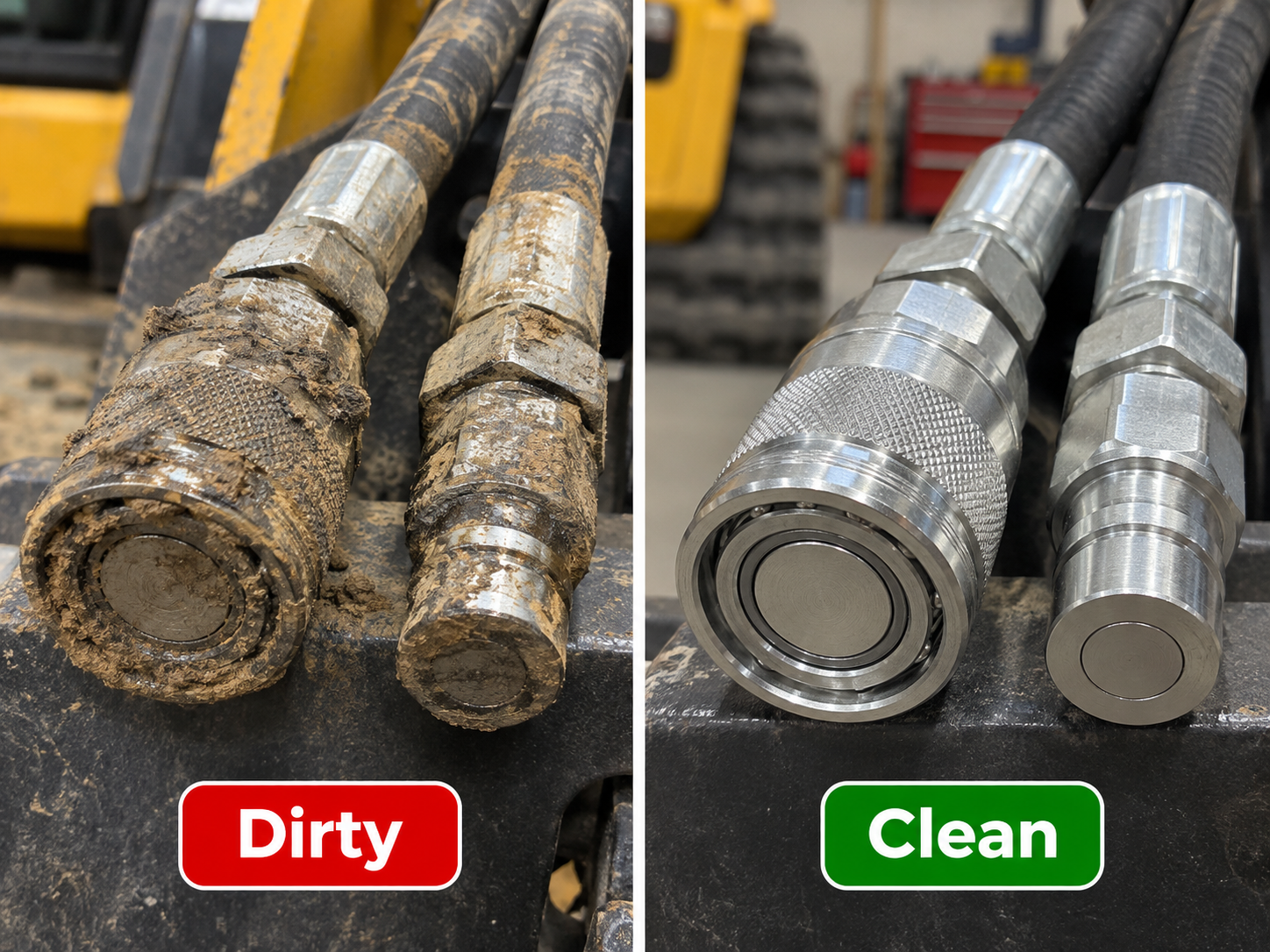
Hydraulic couplers might be some of the most overlooked components on a skid steer.
They're constantly being connected and disconnected, exposed to dust, dirt, moisture, and jobsite debris.
And when they're damaged or contaminated, they can create headaches that affect attachment performance.
A few good habits:
-
Clean coupler faces before connecting attachments.
-
Use protective caps when connections aren't in use.
-
Inspect seals and locking mechanisms for damage.
-
Check for leaks and confirm couplers are fully engaged.
-
Follow the machine's pressure-relief procedure before disconnecting hydraulic lines.
If a hydraulic attachment isn't operating correctly, checking the couplers is a sensible early troubleshooting step.
But remember that poor attachment performance can have several causes, including hydraulic flow, pressure, electrical controls, and internal attachment problems.
Check out our Hydraulic Couplers and Hose Accessories for equipment connection options.
6. Attachment Wear Parts: Don't Forget What's on the Front
This is a big one.
Operators often concentrate on maintaining their machines while forgetting that the attachment mounted on the front needs attention too.
Think about everything your attachments go through.
Brush cutters striking vegetation. Augers digging into rocky soil. Grapples lifting logs. Buckets scraping across abrasive surfaces.
Depending on the attachment, keep an eye on:
-
Cutting edges and replaceable teeth
-
Mower blades and cutting components
-
Auger teeth and pilot bits
-
Grapple pins and bushings
-
Hydraulic motor mounts and hardware
-
Guards, covers, and protective components
A worn cutting edge or damaged tooth might not seem urgent, but it can affect how efficiently the attachment performs.
And worn components sometimes create additional stress on the equipment around them.
Our advice: If you're already inspecting your skid steer, spend a few minutes inspecting the attachment too.
It's all part of the same operation.
7. Quick-Attach Plates: Are You Actually Locked In?
Here's one maintenance item that deserves more attention than it gets.
Your quick-attach system.
That mounting interface is what keeps your attachment secured to the machine.
And believe me, we've seen it plenty of times. An attachment looks like it's properly connected, but the locking pins aren't actually engaged.
It's an easy mistake to make if you're not paying attention, and one that can turn into a serious safety hazard.
With repeated use, components can also wear, become damaged, or collect debris that interferes with proper engagement.
Before operating, verify that:
-
Both locking wedges or pins are fully engaged.
-
The attachment mounting plate is seated correctly.
-
The coupler and mounting components are free of cracks or significant damage.
-
Hydraulic lines and electrical connections are properly routed.
Follow your machine manufacturer's attachment verification procedure every time you install an attachment.
This isn't just about preventing downtime. An incorrectly secured attachment can create a serious safety hazard.
Your Daily Skid Steer Maintenance Checklist
You don't need an elaborate inspection process to start building better maintenance habits.
Here's a simple checklist to use as a starting point before putting your machine to work.
Before starting:
- Check engine oil, hydraulic fluid, and coolant as specified.
- Look for fluid leaks and damaged hydraulic hoses.
- Inspect tires or tracks and undercarriage components.
- Check cooling screens, radiator areas, and air intake restrictions.
- Inspect the attachment, mounting plate, and locking system.
- Check guards, safety devices, and visible damage.
At the manufacturer's required intervals:
- Grease all specified machine and attachment lubrication points.
- Check and adjust track tension as required.
- Inspect filters, belts, batteries, and other scheduled service items.
- Record completed maintenance and upcoming service.
After starting, complete the manufacturer's required operational safety checks before beginning work.
This checklist is a supplement, not a replacement for your machine's operator and maintenance manual. Some tasks require trained personnel and specific lockout or support procedures.
What We'd Tell a Customer Who Called SSS
Here's something we believe strongly:
The best maintenance product isn't necessarily the most expensive one. It's the one that helps you consistently take better care of your equipment.
A quality grease gun, a spare set of hydraulic couplers, or replacement wear parts might not be the most exciting purchases you'll make.
But those are often the products that help keep equipment working.
And if you've already invested thousands of dollars in a skid steer and its attachments, spending a little time protecting that investment makes a lot of sense.
Frequently Asked Questions
How often should I grease my skid steer?
Greasing intervals vary by manufacturer, model, lubrication point, and operating conditions. Some machines have lubrication points requiring attention every 8–10 operating hours, while others differ. Always follow your machine and attachment manuals.
How often should I check my rubber tracks?
Visually inspect tracks and undercarriage components daily. Check track tension as specified by the manufacturer, and more frequently when working in demanding conditions.
What causes skid steer hydraulic hoses to fail?
Common causes include abrasion, pinching, improper routing, aging, physical damage, and operation outside the hose's rated conditions.
What maintenance is most commonly overlooked on attachments?
Lubrication points, hydraulic hose routing, coupler condition, mounting hardware, and replaceable wear components are easy to miss when operators focus primarily on the carrier machine.
Final Thoughts: A Few Minutes Today Could Save You a Day Tomorrow
Equipment maintenance isn't glamorous.
Nobody's posting videos of themselves checking hydraulic hoses or cleaning grease fittings and expecting a million views.
But ask any experienced operator what happens when those little things are ignored, and they'll probably have a story or two.
At Skid Steer Solutions, we believe keeping equipment working is just as important as finding the right attachment in the first place.
Whether you're looking for maintenance accessories, replacement attachment parts, or help finding the right equipment, we're here to help.
Visit Skid Steer Solutions or call us at 866-966-2538.
And here's a question for the operators reading this:
What's the one maintenance item you learned never to overlook—the hard way?
We'd love to hear your stories.
More Than Attachments. Real Solutions.